Why Custom Pallets Outperform Standard Ones in Strength, Safety, and Cost

When your products don’t fit a mold, your pallets shouldn’t either.
Heavy, oversized, or high-value materials demand more than one-size-fits-all shipping.
1. Designed for Strength Where It Matters

Standard pallets are built for uniform loads under predictable conditions. Industrial freight rarely behaves that way. Custom pallets are designed around how weight is distributed, where stress concentrates, and how the pallet will actually be handled throughout the shipment lifecycle.

  • Reinforced deck boards where loads concentrate
  • Lumber selected for density and durability
  • Longer pallet life under real-world handling

2. Safer Handling Starts with Smarter Engineering

When pallets flex, shift, or fail, the risk isn’t limited to the product. Poor pallet design can create instability during lifting, staging, and transport. Engineered pallets help reduce unexpected movement and improve overall handling control.

  • Reduced shifting and instability
  • Improved forklift engagement
  • Fewer unexpected handling issues

3. Fit the Product. Do Not Force It.

Overhang and improper fit introduce leverage forces that pallets aren’t designed to handle. When freight doesn’t sit cleanly on a pallet, damage risk increases and usable trailer space is wasted. Right-sized pallets help eliminate these inefficiencies.

  • Right-sized footprints prevent edge stress
  • Reduced stretch wrap and dunnage
  • Better cube utilization inside trailers

4. Precision Powered by the Pallet Design System™

Custom pallets shouldn’t be built on guesswork. Design tools allow pallet specifications to be evaluated before production, using real load data and handling assumptions. This helps balance strength, cost, and material use before lumber is ever cut.

  • Validate load capacity before production
  • Compare designs for cost efficiency
  • Reduce material waste without sacrificing strength
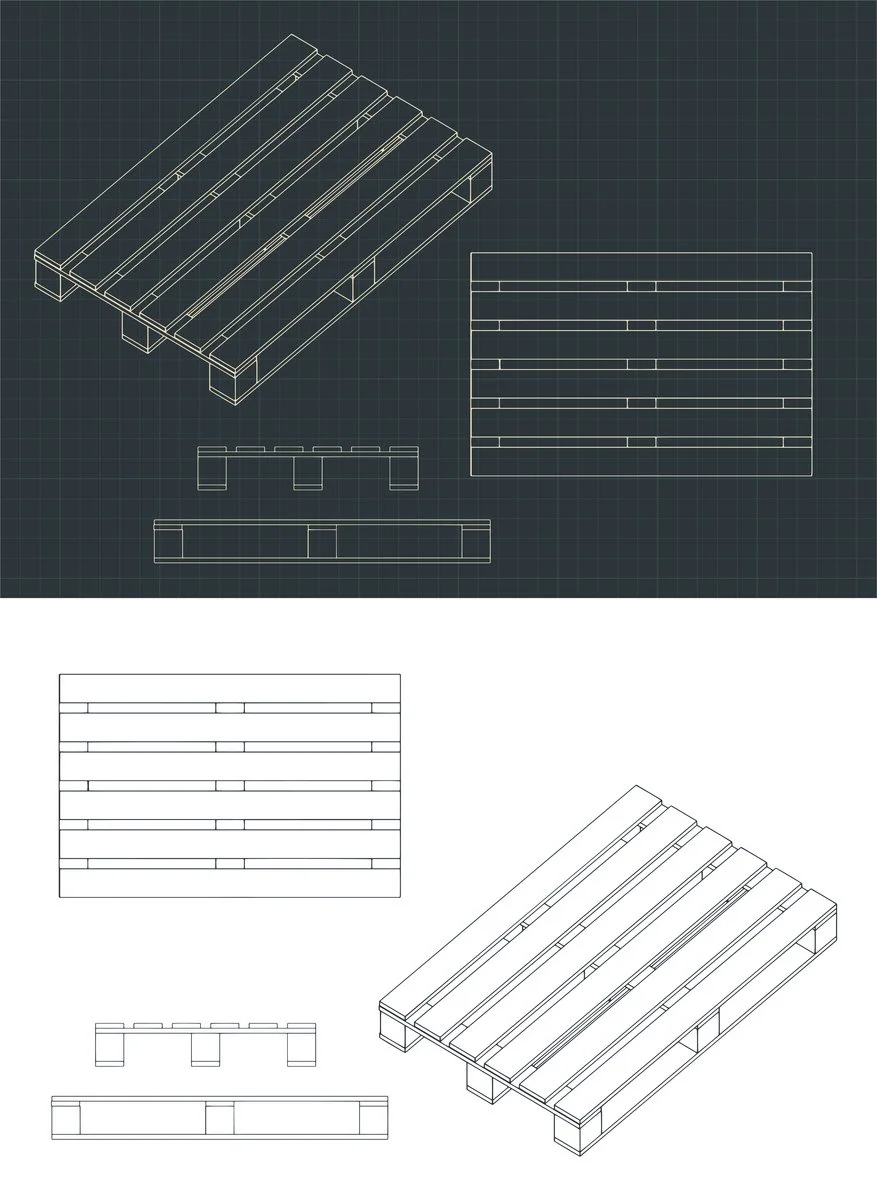
Engineered pallet design drawings showing pallet structure and load analysis

5. When Protection Comes First, Crating Takes Over

Not every shipment belongs on a pallet. For high-value, fragile, or export freight, pallets may not provide adequate protection. In these cases, crating becomes the safer option based on risk, not preference.

  • Increased protection for sensitive equipment
  • Better control during long transit cycles
  • Reduced exposure during export shipping

6. Integrity Equals Safety

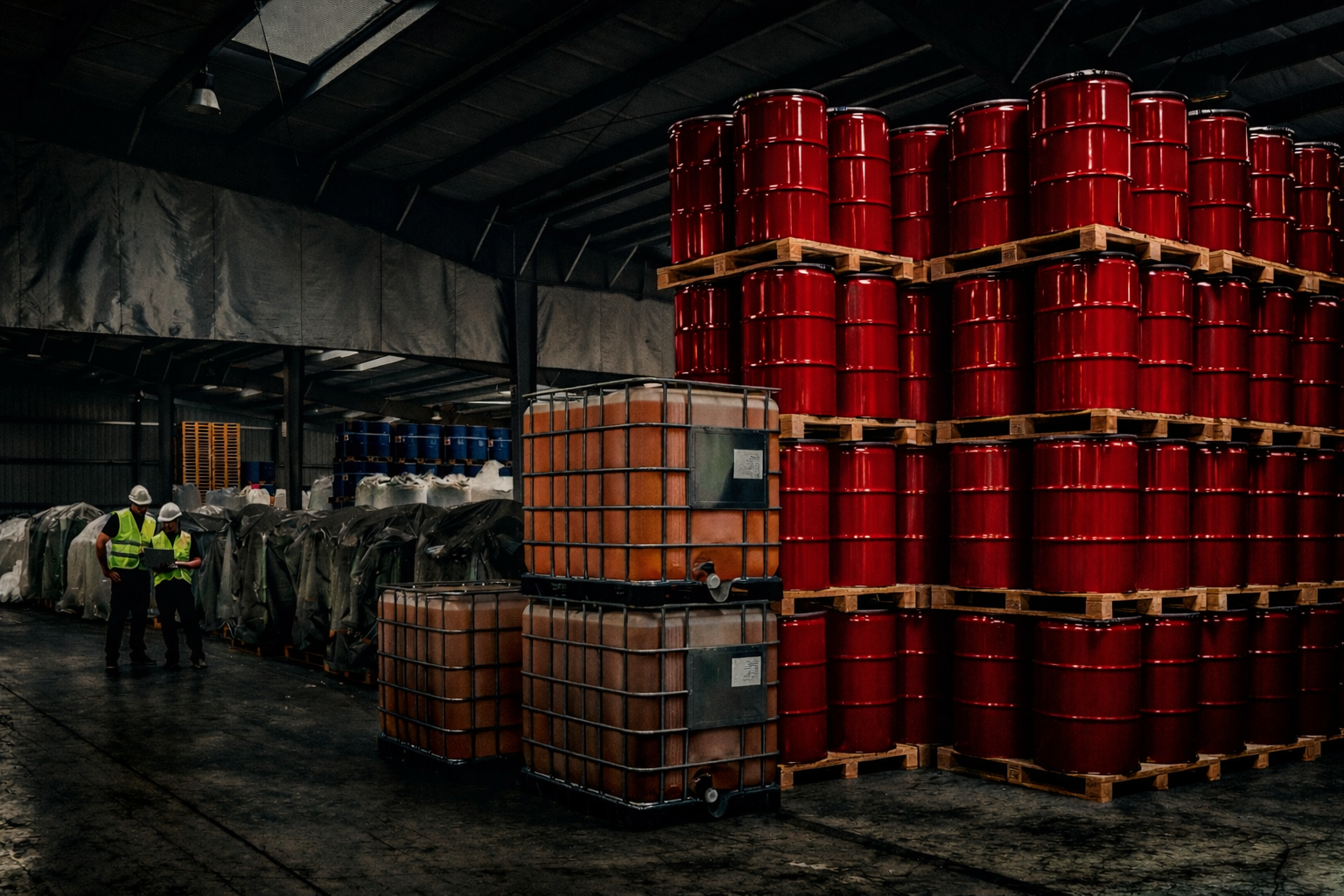
A worn or mismatched pallet isn’t just inefficient. It increases the risk of handling issues, product loss, and workplace incidents. Cracked deck boards, weak stringers, or poor repairs can cause loads to shift, spill, or collapse. For chemical or coated materials, that can mean cleanup costs, product loss, and avoidable safety risks.

Maintaining pallet integrity helps:

  • Fewer spills and product losses
  • Reduced handling hazards during transport and storage
  • Improved consistency for safer warehouse and dock operations

7. The Real Payoff: Cost Efficiency

While custom pallets may appear more expensive upfront, total cost per shipment often tells a different story. Reduced damage, fewer reworks, and more efficient space utilization can offset higher unit costs over time.

  • Lower damage-related losses
  • Fewer disruptions and delays
  • More predictable long-term costs

The Bottom Line

There is no one-size-fits-all pallet solution. For heavy, oversized, or high-value materials, custom pallets outperform standard ones in strength, safety, and long-term cost efficiency.
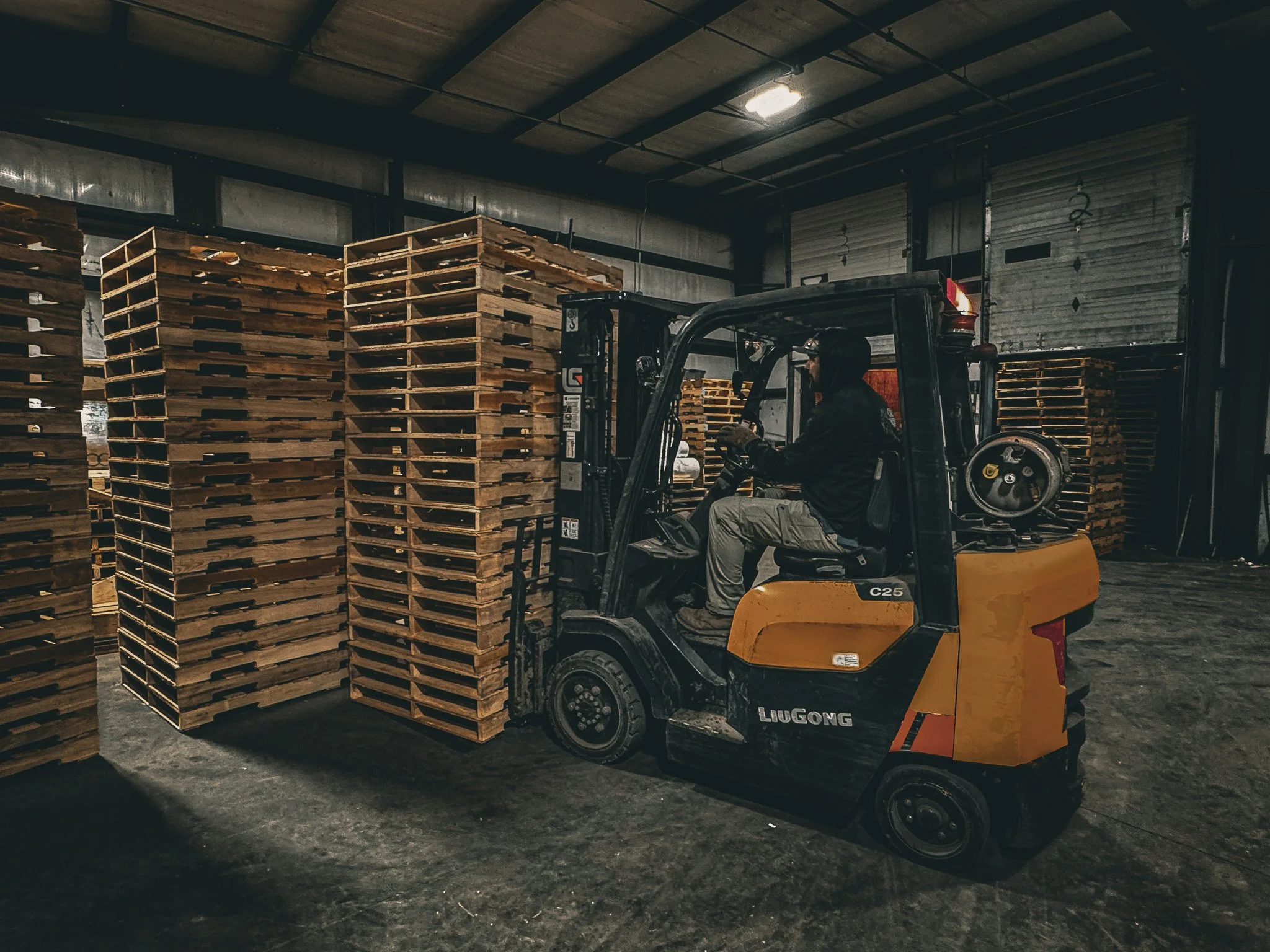

Not All Pallets Are Created Equal

If you are dealing with heavy, oversized, or high-value freight, the right pallet design can reduce damage, improve safety, and lower total shipping costs. A quick conversation can help identify what makes the most sense for your operation.

Request a Pallet Consultation