9 Things You Need to Know When Choosing Pallets for Your Freight
1. Pallet Load Capacity & Weight Limits
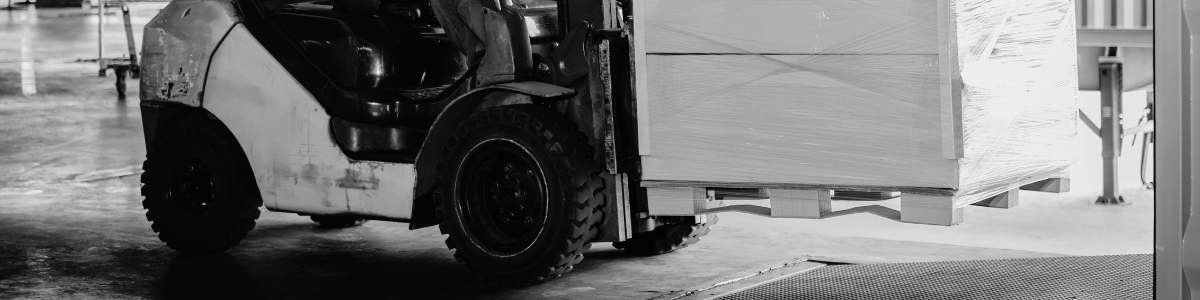
Not all pallets are built to carry the same weight.
- Light Loads (under 1,000 lbs): Standard softwood.
- Medium Loads (1,000–2,500 lbs): Reinforced hardwood.
- Heavy Loads (2,500+ lbs): Block-style or metal.

2. Pallet Sizes & Freight Dimensions
If your freight overhangs, you face reclass fees and damage risks.

3. Pallet Material Options
- Wood: Affordable and repairable.
- Plastic: Hygienic; ideal for food/pharma.
- Metal: Extremely durable but heavy.

4. Entry Type & Handling
- 2-Way Entry: Forks enter from two sides only.
- 4-Way Entry: Forklifts and pallet jacks can lift from any side.

5. Deck Board & Design Features
- Wide Deck Boards: Improve stability for fragile items.
- Solid Decks: Prevent smaller items from slipping through.
- Block vs. Stringer: Block pallets allow 4-way entry; stringers are more cost-effective.
Stop the transit damage.
If your freight is arriving with broken boards or shifted loads, your pallet spec is failing you.
Get a Custom Spec Audit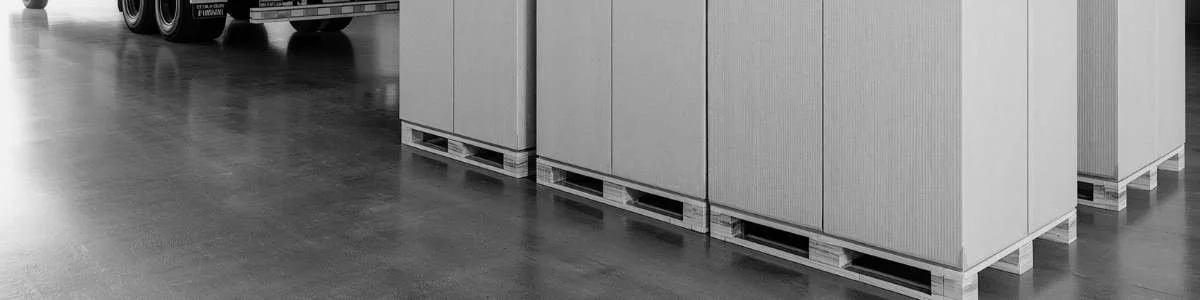
6. Wood Type
- Softwood (Pine): Lightweight and cost-effective for one-way shipments.
- Hardwood (Oak): Durable and long-lasting for repeated use.
7. New vs. Recycled Pallets
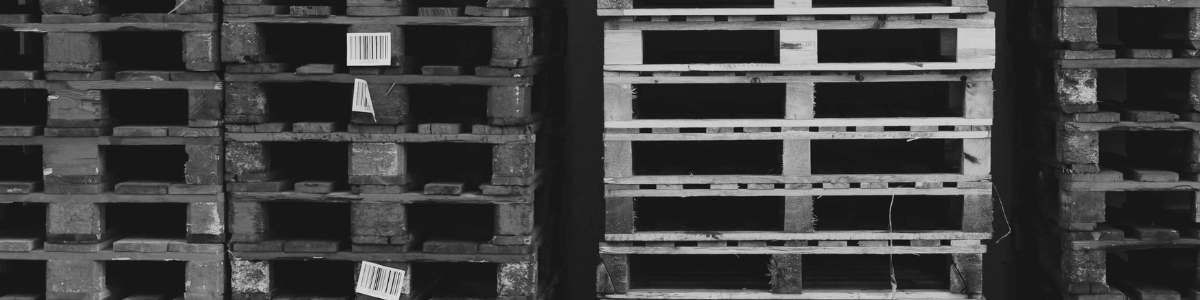
- New Pallets: Consistent strength and clean appearance.
- Recycled Pallets: Cost-effective and environmentally friendly.
8. ISPM-15 Heat Treatment & Export Compliance
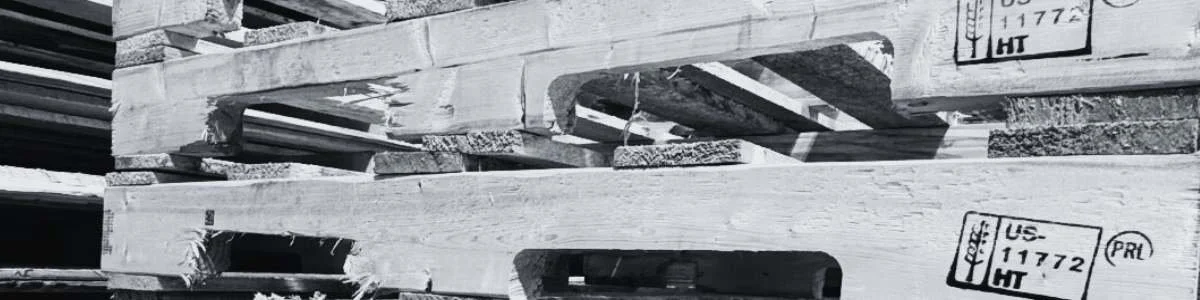
If you’re shipping internationally, ISPM-15 heat-treated pallets are required.
International shipment on the line?
Don't risk a customs rejection. Let our team verify your export compliance before your next container leaves.
Review My Shipment Setup
9. Pallet Storage & Maintenance
- Store pallets in dry, ventilated areas.
- Inspect and repair regularly.
- Rotate stock to prevent aging and degradation.
Better Pallets Can Mean Lower Costs
Your pallets affect more than freight handling. The wrong build can lead to damage, rework, delays, and unnecessary cost across every load.
Request a Pallet Review
Tell us what you're using today and where you're running into problems. We can help identify whether changes in pallet construction, grade, or sourcing could improve durability and reduce cost.